Bellville Graduation Ceremony Highlights Growing Impact of Skills Development Partnerships in South Africa
Published: 30 May 2026
Author: Lerato Chabalala
Reviewed By: Education and Workforce Development Editorial Team
Location: Bellville, Western Cape, South Africa
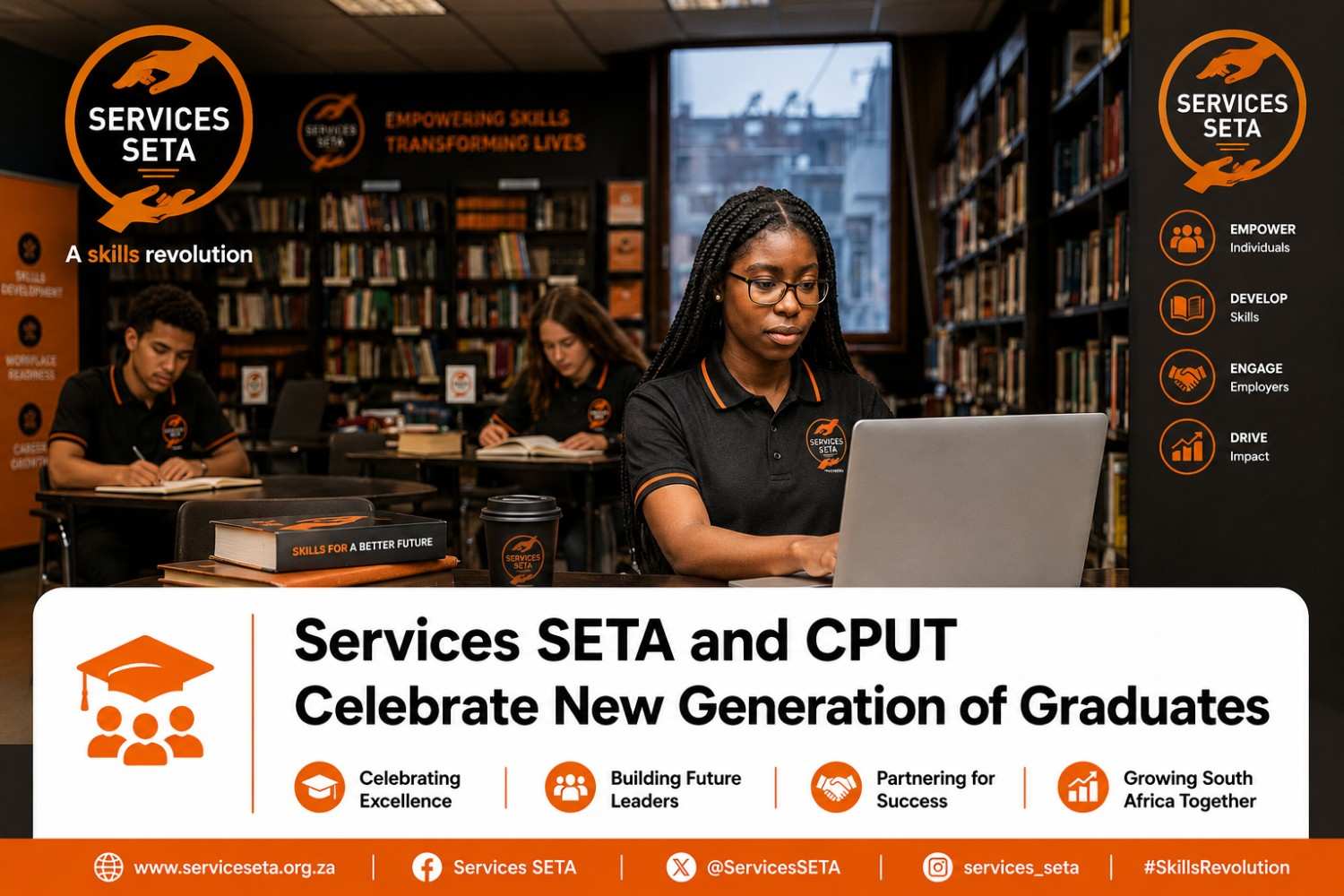
South Africa’s skills development sector is set to celebrate another major milestone as the Services Sector Education and Training Authority (Services SETA), in partnership with Cape Peninsula University of Technology (CPUT), prepares to honour a large group of graduates at the university’s Bellville Campus.
The graduation ceremony will recognise learners who have successfully completed qualifications across a range of high-demand fields, including Business Management, Engineering, Science, Education and Information Technology (IT).
While graduation ceremonies traditionally mark the completion of academic studies, this event carries broader significance. It reflects the growing role that partnerships between higher education institutions and skills development organisations play in preparing South Africans for employment, entrepreneurship and economic participation.
For many graduates, the ceremony represents years of hard work, perseverance and personal sacrifice. For the broader education sector, it serves as a reminder of the importance of investing in accessible learning opportunities that equip individuals with practical and future-focused skills.
Graduation Success Reflects Stronger Skills Development Partnerships
Across South Africa, partnerships between universities, industry stakeholders and Sector Education and Training Authorities (SETAs) continue to shape the country’s workforce development strategy.
The collaboration between Services SETA and CPUT highlights how coordinated efforts can help increase access to quality education while supporting national skills priorities.
By investing in learner development, bursaries, workplace learning opportunities and academic support programmes, institutions are helping more students complete qualifications that align with labour market needs.
Education specialists frequently point to collaboration as one of the key ingredients required to improve graduate outcomes and address skills shortages across critical sectors.
The Bellville graduation ceremony showcases the positive results that can emerge when educational institutions and skills development bodies work together toward shared goals.
Qualifications That Support South Africa’s Economic Future
The graduates being recognised have completed studies in fields that remain important to South Africa’s long-term economic development.
Business Management
Business Management graduates are equipped with knowledge and skills related to:
- Leadership and management
- Human resource development
- Financial administration
- Entrepreneurship
- Organisational planning
- Business operations
As South Africa continues to support small business growth and economic diversification, graduates in business-related disciplines remain valuable contributors to both public and private sector organisations.
Engineering
Engineering qualifications continue to be among the most sought-after credentials within the country’s infrastructure, manufacturing, mining and technology sectors.
Engineering graduates help support:
- Infrastructure development
- Industrial innovation
- Sustainable energy projects
- Construction initiatives
- Manufacturing operations
Industry experts consistently identify engineering skills as critical to economic growth and competitiveness.
Science
Science graduates contribute to research, innovation and technological advancement across multiple sectors.
Their expertise supports areas such as:
- Environmental sustainability
- Healthcare innovation
- Scientific research
- Technology development
- Industrial processes
The growing importance of science-driven industries means these graduates are entering a workforce increasingly reliant on evidence-based solutions and innovation.
Education
Education graduates play a vital role in shaping future generations.
With ongoing efforts to improve educational outcomes across South Africa, qualified educators remain central to strengthening schools, communities and lifelong learning opportunities.
Teachers and education professionals contribute directly to human capital development and national progress.
Information Technology (IT)
Technology continues to transform nearly every sector of the economy.
IT graduates possess skills that support:
- Software development
- Data analysis
- Cybersecurity
- Network administration
- Digital transformation
- Information systems management
As businesses increasingly adopt digital technologies, demand for IT-related skills continues to grow both locally and globally.
Why Graduation Matters Beyond Academic Achievement
Graduation represents more than receiving a certificate.
For many learners, particularly those from historically disadvantaged communities, earning a qualification can become a life-changing achievement that opens doors to employment opportunities, professional advancement and further education.
Research consistently demonstrates a strong connection between education attainment and improved employment prospects.
Graduates often gain access to:
- Better earning potential
- Expanded career opportunities
- Professional development pathways
- Entrepreneurial opportunities
- Increased economic mobility
The graduation ceremony therefore celebrates not only academic success but also the broader social and economic impact of education.
Services SETA’s Continued Commitment to Learner Success
A key theme of the upcoming graduation ceremony is Services SETA’s ongoing commitment to learner success and skills development.
As one of South Africa’s Sector Education and Training Authorities, Services SETA plays an important role in supporting workforce development through:
- Learnership programmes
- Skills development initiatives
- Workplace-based learning
- Internship opportunities
- Training partnerships
- Education support programmes
Its collaboration with higher education institutions reflects a wider strategy aimed at increasing access to quality learning opportunities and strengthening pathways into employment.
Skills development experts often highlight learner support systems as a critical factor in improving graduation rates and helping students transition successfully into the labour market.
Expanding Access to Education Remains a National Priority
South Africa continues to focus on improving equitable access to education and training opportunities.
Despite significant progress in expanding participation within higher education, challenges remain for many students, including:
- Financial barriers
- Academic preparedness
- Access to support services
- Digital inclusion challenges
- Socioeconomic constraints
Partnerships involving SETAs, universities and industry stakeholders help address some of these challenges by creating additional support structures and opportunities for learners.
The graduation ceremony at Bellville serves as an example of how collaborative investment in education can contribute to positive outcomes for individuals and communities.
Local Impact in the Western Cape
The Bellville Campus of CPUT remains one of the Western Cape’s major higher education centres, attracting students from across the province and beyond.
Graduates completing their qualifications contribute not only to the regional economy but also to national workforce development efforts.
Many graduates are expected to pursue careers within sectors experiencing skills demand, while others may continue with postgraduate studies or entrepreneurial ventures.
Local employers often benefit from a steady pipeline of qualified graduates entering the labour market with current knowledge and industry-relevant skills.
Looking Ahead: Building a Skilled and Inclusive Workforce
As South Africa works toward addressing unemployment, skills shortages and economic inequality, graduation milestones such as this represent important indicators of progress.
Each graduate entering the workforce contributes to the broader objective of building a more skilled, productive and inclusive economy.
The partnership between Services SETA and CPUT demonstrates how education and skills development institutions can work together to create opportunities that extend beyond the classroom.
By investing in learner success today, stakeholders help strengthen the workforce that will drive South Africa’s future growth and innovation.
What the Graduation Ceremony Represents
The upcoming Bellville graduation ceremony is expected to celebrate:
✅ Academic excellence
✅ Skills development success
✅ Industry and education partnerships
✅ Learner perseverance and achievement
✅ Greater access to higher education
✅ Workforce readiness and employability
For graduates and their families, the event marks the culmination of years of dedication.
For the education sector, it represents another step toward developing the skilled professionals needed to support South Africa’s future.
Frequently Asked Questions (FAQs)
Who is hosting the graduation ceremony?
The graduation celebration is being held through a partnership between Services SETA and Cape Peninsula University of Technology (CPUT).
Where will the ceremony take place?
The event will be hosted at CPUT’s Bellville Campus in the Western Cape.
Which qualifications are being celebrated?
Graduates will receive qualifications in Business Management, Engineering, Science, Education and Information Technology.
Why is Services SETA involved?
Services SETA supports skills development, learner success and education initiatives that contribute to workforce readiness and economic participation.
Why are partnerships between universities and SETAs important?
These partnerships help improve access to education, strengthen skills development programmes and better align qualifications with labour market needs.
Sources and References
- Services SETA official graduation announcement.
- Cape Peninsula University of Technology (CPUT) institutional information.
- South African National Skills Development Framework.
- Department of Higher Education and Training (DHET).
- South African Post-School Education and Training (PSET) policies.
Editorial Transparency Statement
This article is based on information released regarding the Services SETA and CPUT graduation ceremony. Additional analysis has been provided to explain the broader significance of skills development, higher education partnerships and workforce readiness within the South African context.
The article is intended for informational and educational purposes and does not alter or misrepresent information provided by the participating institutions. Readers are encouraged to consult official Services SETA and CPUT communication channels for event-specific updates and announcements.
