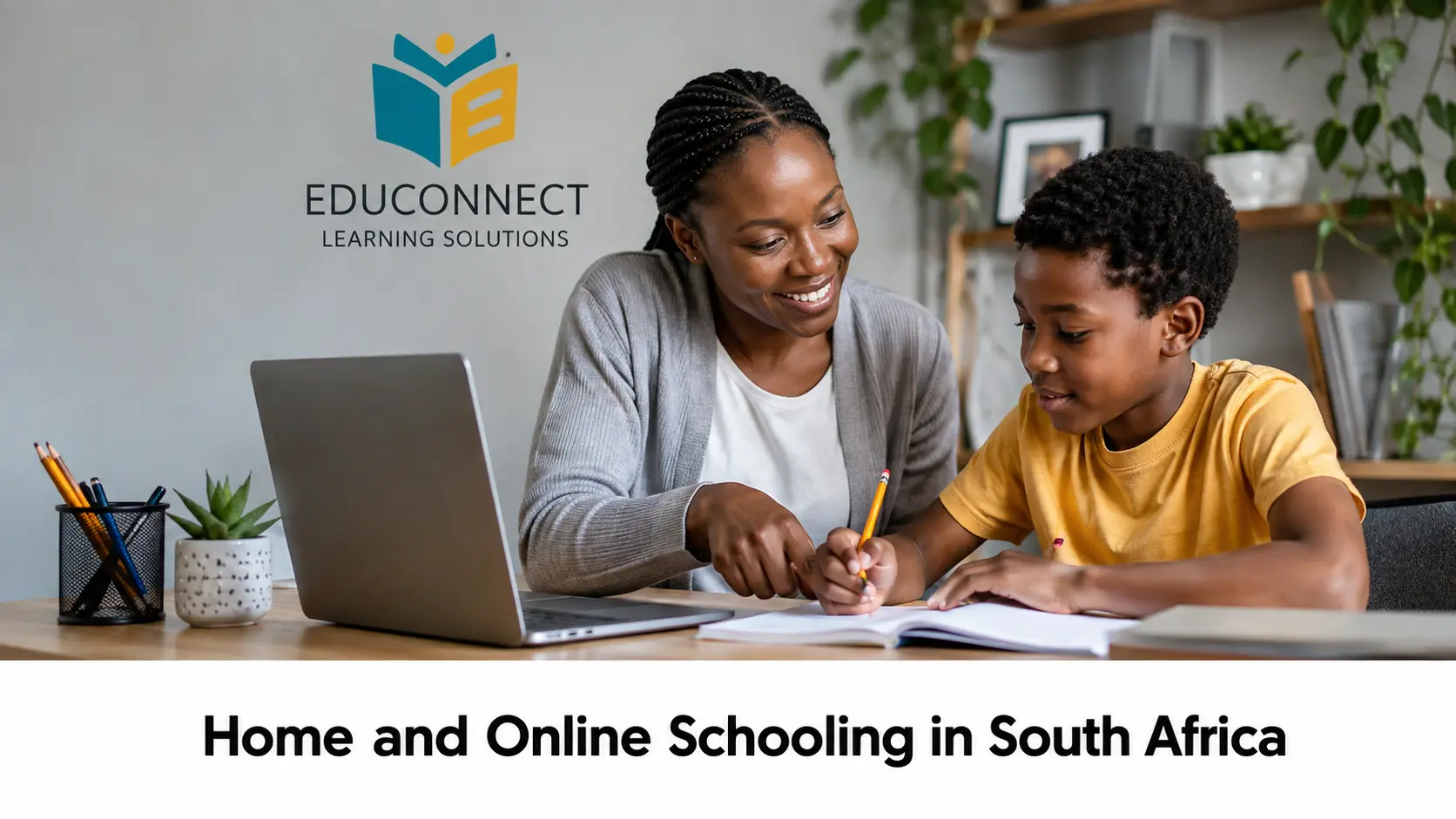
Home and online schooling are giving South African families more options for educating children outside the traditional classroom.
While conventional schools remain the main education route for many learners, alternative schooling models can provide greater flexibility around learning pace, study schedules, technology and individual learner needs.
For some families, the appeal is the ability to create a learning environment that is more closely suited to the learner. This can be particularly useful when a child needs additional time to understand a subject, wants to progress faster in an area they understand well, or has other commitments that make a traditional school timetable difficult to manage.
According to Louise Schoonwinkel, Managing Director of Optimi Schooling, of which Impaq is a registered trademark, education is increasingly moving towards models that recognise that learners do not all learn in exactly the same way.
The discussion around home and online schooling is therefore not simply about replacing classrooms. It is about giving families additional choices and considering which learning environment best meets an individual child’s needs.
Home and Online Schooling in South Africa at a Glance
| Area | What it can offer |
|---|---|
| Learning pace | Greater flexibility to spend more time on difficult concepts |
| Study schedule | Ability to organise learning around individual circumstances |
| Personalisation | Learning can be adapted to the learner’s needs |
| Technology | Access to digital lessons and educational resources |
| Independence | Opportunities to develop self-management skills |
| Time management | Learners can practise planning their schoolwork |
| Subject exploration | Some providers offer additional subject options |
| Social development | Learners can participate in activities outside school |
| Curriculum | Some providers offer structured South African curricula |
| Assessment | Programmes can include tests, assignments and progress monitoring |
Why Some Families Choose Home and Online Schooling
One of the main differences between alternative schooling and the conventional classroom is the potential for greater flexibility.
Traditional schools generally follow a timetable designed for a group of learners. Teachers need to cover the curriculum within a particular academic schedule.
However, learners do not always understand new concepts at the same speed.
One learner may understand a particular topic after one lesson, while another may need several explanations and additional practice.
Home and online schooling can provide more flexibility in these circumstances.
A learner may be able to revisit difficult material, complete additional exercises or spend more time on a particular topic before progressing.
At the same time, a learner who has already mastered a subject may be able to move through familiar material more efficiently, depending on the programme’s structure.
Personalised Learning Can Put the Learner First
Personalised learning is one of the key features associated with flexible education models.
Instead of assuming that every learner needs exactly the same amount of time and support, families can adapt parts of the learning process to the child’s circumstances.
This may involve:
- Adjusting study times.
- Revisiting difficult subjects.
- Providing additional revision.
- Using different learning resources.
- Allowing more time for particular interests.
- Balancing schoolwork with extracurricular activities.
The goal is to help learners understand their work rather than simply complete it according to a fixed timetable.
However, flexibility should not be confused with a lack of structure. Learners still need clear academic goals, deadlines, assessments and consistent study habits.
Developing Independence and Time Management
Alternative schooling can also encourage learners to take more responsibility for their education.
A learner studying from home may need to manage a daily schedule, complete assignments, prepare for assessments and keep track of outstanding work.
Over time, these activities can help develop:
- Time management
- Organisation
- Self-discipline
- Independent thinking
- Responsibility
- Planning
- Problem-solving
These skills can remain useful beyond school.
A former Impaq learner, Tiwhan Botha, who matriculated in 2024, described developing independence and time-management skills during her schooling and later applying them while working and studying.
Her experience is an individual example rather than evidence that every learner will have the same outcome.
The Role of Technology in Online Learning
Technology is central to online schooling.
Digital education platforms can give learners access to materials that would otherwise be delivered through physical textbooks or classroom instruction.
Depending on the provider, these resources may include:
- Video lessons
- Interactive activities
- Digital textbooks
- Online assessments
- Educational videos
- Progress reports
- Feedback
- Digital communication with educators
Interactive resources can also help learners visualise concepts that may be difficult to understand from written material alone.
For example, a digital lesson can combine text, animation, video and assessment questions within the same learning activity.
Internet Access Remains Important
Online schooling can increase access to education, but it also depends on technology.
Families considering an online programme should establish whether they have:
- A suitable computer or tablet
- Reliable internet access
- Sufficient data
- A suitable place to study
- Required software
- Technical support when problems occur
Technology problems can disrupt learning, particularly when a programme depends heavily on live lessons or online assessments.
Parents should therefore understand the technical requirements before enrolling.
Can Home and Online Learners Follow CAPS?
Some South African home and online education providers offer programmes based on or aligned with the Curriculum and Assessment Policy Statement (CAPS).
However, parents should not assume that every online education programme follows CAPS.
They should check the specific curriculum used by the provider and determine whether it meets the learner’s educational requirements.
This is particularly important for learners approaching Grade 12 and parents who want their children to obtain a South African school-leaving qualification.
What About Matric?
Home or online schooling does not automatically mean that a learner cannot obtain a recognised school-leaving qualification.
Some education providers offer structured programmes that lead towards the National Senior Certificate (NSC).
However, parents should verify:
- Who provides the qualification.
- Which examination body is involved.
- Whether the programme is accredited.
- Which subjects are available.
- How assessments are conducted.
- What requirements apply to the final examinations.
A programme being advertised online does not, by itself, establish that it leads to an officially recognised South African qualification.
Does Home Schooling Mean Social Isolation?
Social interaction is one of the concerns sometimes raised when families consider homeschooling.
However, children who do not attend a traditional school can still interact with other young people.
Depending on the family’s circumstances, learners can participate in:
- Sports clubs
- Homeschooling groups
- Music programmes
- Community activities
- Cultural organisations
- Youth organisations
- Extracurricular classes
- Volunteer activities
The important consideration is whether the learner has sufficient opportunities to develop social relationships and communication skills.
Parents should include social development when planning a home-based education programme.
Flexibility for Sport and Other Activities
Some learners have commitments outside school that require significant amounts of time.
These may include:
- Competitive sport
- Music
- Dance
- Performing arts
- Entrepreneurship
- Other specialised activities
A flexible learning programme may make it easier to organise academic work around these commitments.
For example, a learner may have more flexibility to complete schoolwork around training sessions or competitions.
However, academic responsibilities still need to be prioritised and managed carefully.
Exploring Additional Subjects
Another potential benefit is access to learning opportunities beyond the subjects traditionally available at a particular school.
Depending on the provider, learners may have opportunities to explore areas such as:
- Coding
- Creative arts
- Entrepreneurship
- Digital technology
- Computer skills
Parents should check the actual subject list before enrolling because options differ between providers.
A broader subject selection can be useful when learners already have an interest in a particular career or field.
Parents Still Have an Important Role
Home and online schooling does not mean parents can completely step away from their child’s education.
The amount of involvement depends on the programme, but parents may need to monitor progress, provide encouragement and communicate with educators.
Parents can support learners by:
- Creating a regular study routine.
- Providing a quiet learning environment.
- Checking whether assignments are completed.
- Monitoring academic progress.
- Encouraging learners to ask for help.
- Communicating with the education provider.
- Supporting healthy social and extracurricular activities.
For younger learners in particular, consistent adult support can be important.
What Parents Should Check Before Enrolling
Choosing an online or home-schooling programme requires more than comparing prices or looking at advertised flexibility.
Parents should investigate the following areas.
1. Curriculum
Find out which curriculum the provider follows and whether it is suitable for the learner’s grade.
2. Accreditation
Check the provider’s accreditation and the organisation responsible for assessments and qualifications.
3. Matric Pathway
For older learners, confirm exactly how the programme leads to the intended school-leaving qualification.
4. Subjects
Make sure all required subjects are available.
5. Assessments
Understand how tests, assignments and examinations are conducted.
6. Costs
Check tuition fees and any additional costs for examinations, materials, devices or other services.
7. Technology
Find out which devices, internet connection and software are required.
8. Learner Support
Ask what academic, technical and administrative assistance is available.
Is Online Schooling Better Than Traditional Schooling?
There is no single answer.
The most suitable education model depends on the individual learner and the family’s circumstances.
Traditional schools can provide structured timetables, face-to-face teaching, school sports, social interaction and access to physical facilities.
Home and online schooling can offer greater flexibility and may suit learners who benefit from independent or personalised learning.
Parents should therefore avoid choosing an education model simply because it is described as better or more modern.
The important question is whether the programme provides a quality, structured and appropriate education for the individual learner.
Potential Challenges of Home and Online Schooling
Alternative education also has challenges.
Learners may struggle if they lack motivation or have difficulty managing their own time.
Families may also face challenges involving:
- Internet access
- Device costs
- Limited study space
- Parental time
- Social opportunities
- Maintaining a consistent routine
- Technical problems
Recognising these challenges before enrolling can help families decide whether the model is appropriate.
The Future of Flexible Education
Technology is continuing to change how education can be delivered.
Online platforms make it possible for learners to access educational resources without being physically present in a classroom every day.
For South African families, this creates additional options when considering how children should complete their schooling.
However, technology should be viewed as a tool rather than a substitute for quality teaching, appropriate curriculum content and learner support.
The success of any education model ultimately depends on the quality of learning and the needs of the individual student.
Frequently Asked Questions
Is homeschooling legal in South Africa?
Home education is recognised within South Africa’s education framework, but parents must comply with applicable legal and provincial requirements. Families should confirm the latest requirements with the relevant education authorities.
Is online schooling the same as homeschooling?
No. Online schooling generally involves a structured programme delivered through digital platforms, while homeschooling can involve parents or caregivers taking greater responsibility for the learner’s education.
Some home-education programmes also use online resources.
Can a learner get Matric through online schooling?
Some recognised programmes provide a pathway to the National Senior Certificate, but parents should verify the provider’s accreditation, examination arrangements and qualification pathway.
Do all online schools follow CAPS?
No. Parents should check the curriculum followed by each provider before enrolling.
Can learners study at their own pace?
Many home and online programmes offer greater flexibility than conventional classrooms, but the amount of flexibility varies between providers.
Can homeschooled children socialise?
Yes. Learners can participate in sports, community groups, extracurricular activities and homeschooling networks.
What skills can alternative schooling develop?
Learners may develop independence, time management, organisation, self-discipline and digital skills, depending on how their programme is structured.
Is online schooling suitable for every learner?
No. Some learners benefit from traditional classroom environments, while others may thrive with greater flexibility and independence.
What should parents check before choosing a programme?
Parents should investigate the curriculum, accreditation, qualification pathway, subjects, assessments, fees, technology requirements and learner support.
Key Takeaways
- Home and online schooling give South African families alternatives to traditional classroom education.
- Flexible learning can allow learners to spend additional time on challenging concepts.
- Learners can develop independence, organisation and time-management skills.
- Technology can provide access to interactive learning resources.
- Home education does not automatically mean social isolation.
- Some providers offer programmes based on or aligned with CAPS.
- Some recognised programmes provide pathways towards the National Senior Certificate.
- Parents must verify accreditation and qualification arrangements before enrolling.
- Online schooling requires reliable technology, internet access and a suitable learning environment.
- The best education model depends on the individual learner’s needs and family circumstances.
Editorial Policy
This article is based on the information supplied regarding the benefits of home and online schooling in South Africa, including comments attributed to Louise Schoonwinkel of Optimi Schooling and information concerning Impaq.
The article distinguishes between general benefits that alternative education may provide and claims that depend on a specific education provider. Individual learner experiences are presented as examples rather than guarantees.
We do not claim that home or online schooling is suitable for every learner, nor that every online education programme leads to a recognised South African qualification.
Parents should independently verify curriculum, registration, accreditation, assessment and qualification arrangements with the relevant provider and education authorities before making an enrolment decision.
Official Sources and References
- South African Department of Basic Education — official information on school education, curriculum and education policy.
- South African Schools Act — legal framework governing schooling and home education.
- Impaq / Optimi Schooling — source information supplied for the original discussion on home and online education.
Tip for Parents
Do not choose an online or home-schooling programme based on flexibility alone. Before enrolling, check its curriculum, accreditation, qualification pathway, subjects, assessment process, total costs, technology requirements and level of academic support.
